Creating a Calm Home: Tips with Plants and Natural Light
Bringing a sense of calm and comfort into your home is easier than you might think. Two simple natural elements—plants and light—can completely transform your living space, making it feel peaceful, welcoming, and healthy. In this post, we’ll explore practical tips on using indoor plants and natural light to create a relaxing home environment.
Why Plants and Natural Light Matter
Both plants and natural light contribute significantly to our wellbeing. Plants improve air quality, add colour and texture, and create a connection to nature. Natural light helps regulate our body clocks, boosts mood, and gives spaces a fresh and airy feeling.
Combining these elements can enhance the atmosphere of any room, plus it’s an affordable and eco-friendly way to decorate your home.
Choosing the Right Plants for Relaxation
Not all plants are the same when it comes to home environments. When selecting greenery for a calming space, think about:
– Low maintenance: Choose plants that are easy to care for, such as snake plants, pothos, or ZZ plants. This reduces stress and effort.
– Air purifying: Some plants like spider plants and peace lilies can help clean the air naturally.
– Visual appeal: Soft green or variegated leaves create a soothing look. You might also consider plants with interesting shapes or textures, like ferns or succulents.
– Size and placement: Smaller plants work well on shelves or desks, while larger floor plants can fill empty corners.
Remember to consider your home’s lighting conditions when choosing plants—some thrive in bright light, others prefer shade.
Maximising Natural Light in Your Home
Natural light can make any room feel more spacious and calm. Here’s how to maximise its benefits:
1. Clear Window Spaces
Avoid blocking windows with heavy curtains or furniture. Instead, use light, sheer curtains that allow sunlight to filter through while providing privacy.
2. Add Mirrors
Mirrors can reflect natural light deeper into rooms. Placing a mirror opposite or adjacent to a window helps bounce light around, brightening up darker corners.
3. Choose Light Colours
Paint your walls in light, neutral colours that reflect light instead of absorbing it. Whites, creams, and pale greys work well to amplify natural brightness.
4. Keep Windows Clean
Regularly cleaning windows ensures maximum sunlight can enter your rooms.
Integrating Plants and Light for a Peaceful Space
To unify plants and natural light effectively:
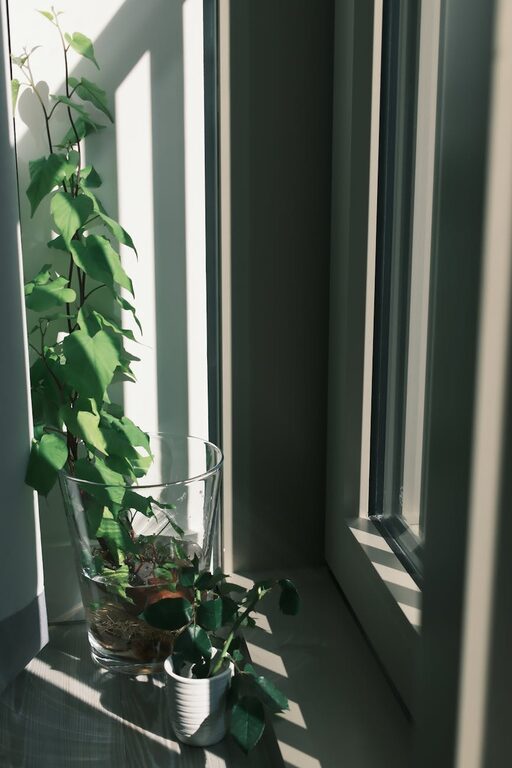
– Position plants where they receive the right amount of sunlight.
– Use hanging pots or wall-mounted planters to save floor space and add layers.
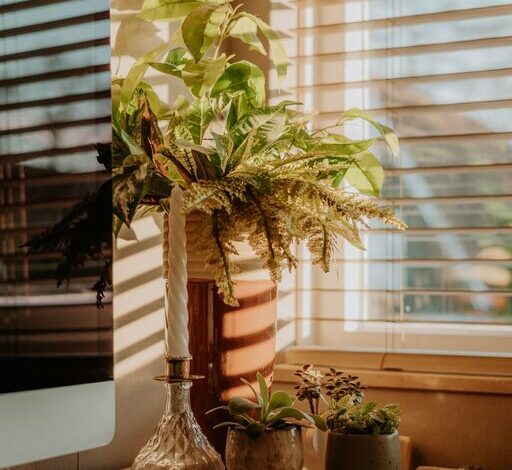
– Group plants in clusters to create mini indoor gardens that enhance tranquility.
– Select pots that complement your room’s style—natural materials like terracotta or woven baskets can add warmth.
Additional Tips for a Relaxing Home Environment
While plants and light are key, other factors contribute to comfort:
Keep Clutter to a Minimum
A tidy space feels more peaceful. Use smart storage solutions to keep surfaces clear and let your plants and light take centre stage.
Introduce Soft Textiles
Add cushions, throws, and rugs in natural textures and muted colours to soften the room and create cosy zones.
Use Natural Scents
Consider a few scented candles or essential oil diffusers with calming fragrances like lavender or eucalyptus to enhance the atmosphere.
Caring for Your Plants
To keep your green friends happy and thriving:
– Water according to each plant’s needs—overwatering is a common mistake.
– Rotate plants occasionally for even light exposure.
– Prune dead leaves to encourage growth.
– Check for pests regularly and act promptly if any appear.
Conclusion
Creating a relaxing home environment with plants and natural light is a wonderful way to improve your space and wellbeing. By choosing suitable plants, maximising natural light, and paying attention to layout and decor, you can design a peaceful sanctuary that welcomes you every day.
Enjoy making your home a natural haven!